
There is that moment after a deep breach of trust when the phone rings and your stomach instantly tightens. The name on the screen brings back memories of words that cut like shards of glass. And suddenly, that well-worn religious phrase echoes in your mind, the one you have heard dozens of times: if you are a Christian, you must forgive and forget.
That is precisely where the confusion begins. Many people carry a double burden: first, the raw pain of the wound itself, and then the quiet guilt because they cannot bring themselves to embrace that person again or welcome them back to their kitchen table. They wonder if their faith has failed simply because their guard is still up.
Yet forgiving without trusting again is no contradiction. In fact, it is often the only healthy way to keep from coming apart inside.
The Problem with the Hydra
When someone wrongs us, an invisible thread ties us to them. The anger, the late-night brooding, the longing to see things set right—all of it keeps us tethered to the very person who caused us harm. The sheer weight of the emotion becomes overwhelming, and as long as we remain stuck there, real freedom remains out of reach.
Evil feeds on evil. Trying to answer an injury with coldness, retaliation, or silent resentment only gives the offence fresh fuel. It is like the Hydra of ancient legend: sever one head, and three more sprout in its place. Every hostile thought merely deepens the shadow.
Forgiveness in the Christian faith is not weakness; it is a clean cut. It is a refusal to keep feeding the monster. You release the offender from your own courtroom and place justice into the hands of the One who can truly judge. You might well be doing the other person a kindness in the process, but first and foremost, you are saving yourself from the poison.
What Jesus Did When the Crowds Cheered
We confuse forgiveness and reconciliation far too often. Forgiveness happens in your own heart, between you and God. It is a unilateral decision to tear up the debt. Reconciliation, however, requires two people: genuine repentance, and a willingness to take real responsibility for what happened.
You are not required to let people walk all over you simply because you have forgiven them. There is a telling scene in the Gospel of John. Many people saw the signs Jesus performed and believed in his name. Yet the account notes something striking:
But Jesus would not entrust himself to them, for he knew all people. (John 2:24)
Jesus met people with profound mercy. He died for a world that betrayed him. And yet he did not hand himself over lightly to human beings, because he knew what the human heart was capable of. Love and forgiveness are not the same as naivety. Trust is not a commandment; it is the fruit of reliability over time.
A Healthy Self-Preservation of Grace
Follow the thought to its conclusion, and you find a wholesome self-protection at the heart of genuine forgiveness. Some might call it selfish, but it is simply the soul’s instinct for survival. I forgive so that my foundation remains steady. I forgive so that my heart does not turn to stone.
Forgiving means letting go, whilst simultaneously drawing a line in the chalk on the floor: this far, and no further. You may go, and before God I wish you no harm. But you no longer have access to the vulnerable corners of my life, not unless something fundamental has changed.
Setting boundaries has nothing to do with vengeance. When a river bursts its banks and tears through your home, you do not hate the water. But you certainly build flood defences before the next storm comes.
The Space Left Behind
Only when the bond of bitterness is severed can you finally draw breath again. It is from this recovered ground of quiet stability that genuine compassion becomes possible at all. You no longer view the other person as an all-powerful destroyer, but as a flawed, often deeply driven human being.
Whether closeness ever returns must remain an open question. Sometimes it takes years; sometimes a healthy distance remains the kindest thing for both sides for the rest of your days. Both outcomes are permissible.
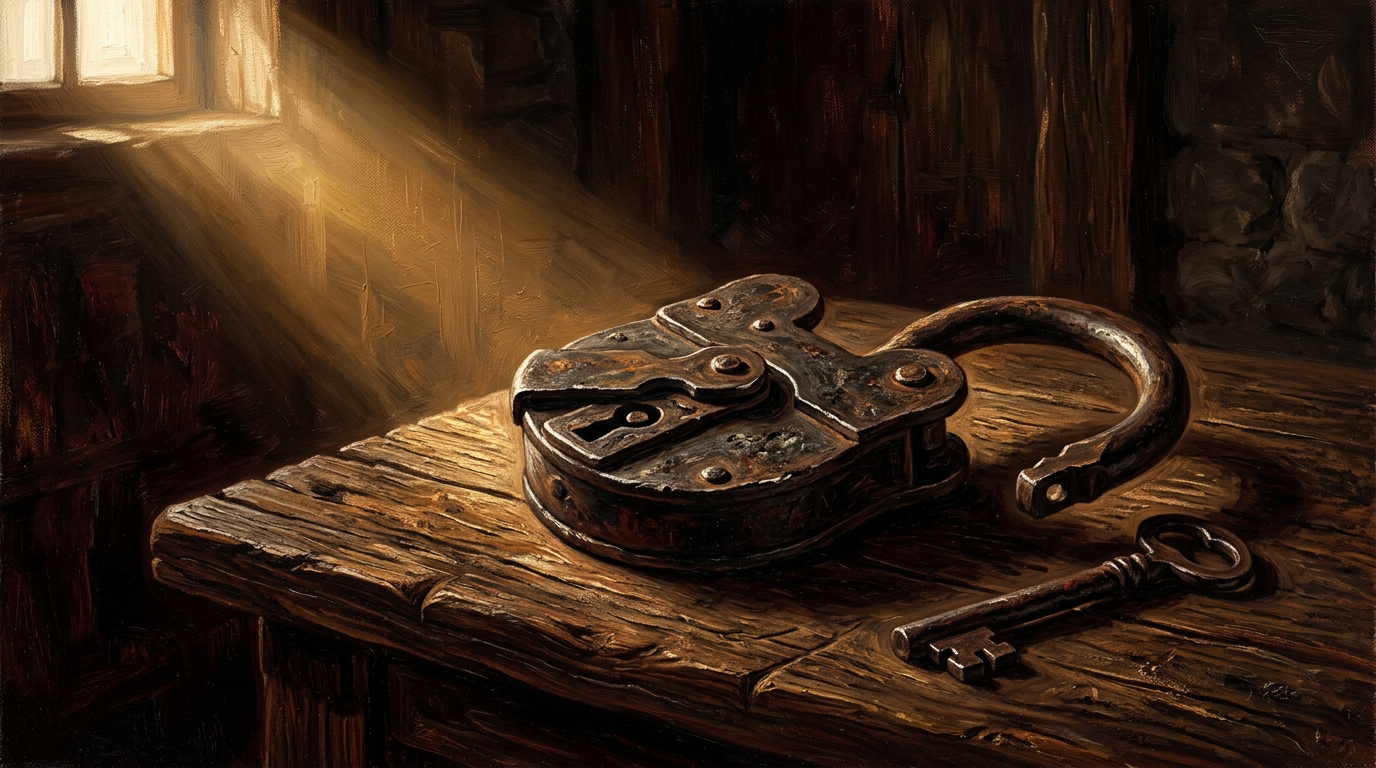
You do not have to let someone back into your house just because you have cancelled the debt. The door may remain locked, even as you stand at the window and pray for them.